

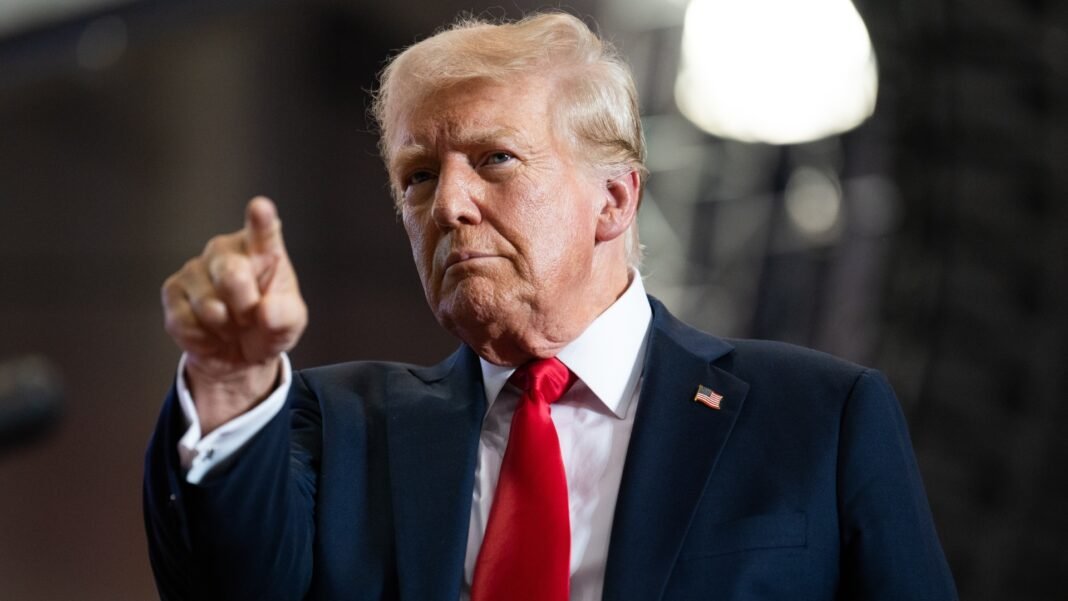


U.S. President Donald Trump is ramping up efforts to promote his administration’s tax cuts, staging high-profile events and traveling across the country to highlight what he describes as financial relief for Americans. However, new polling suggests that a majority of voters remain unconvinced, saying taxes are still too high despite the changes.
The clash between political messaging and public perception is expected to become a central issue in the 2026 midterm elections, where the party controlling the White House historically faces losses in Congress. Even a small shift in seats could allow Democrats to regain control of either chamber.
Speaking at a roundtable in Las Vegas on April 16, Trump argued that the Republican-backed tax policies are already benefiting Americans across income levels.
“Every single American at every income level there’s more money in their pockets this week because of the Republican tax policies,” Trump said. “We’ve got to win the midterms. If we don’t, these policies are going to be taken away from you. The taxes are going to go through the roof.”
Treasury Secretary Scott Bessent reported that approximately 53 million tax filers about 45% of all filers as of April 12 had claimed at least one of four newly introduced tax deductions. He described the current filing season as delivering “record refunds for the American people.”
According to Bessent, the average tax break from the new provisions is about $800, while total refunds are averaging more than $3,400. The new deductions include exemptions on tips up to $25,000 annually, overtime earnings up to $12,500, interest on car loans for American-made vehicles, and an enhanced deduction on Social Security benefits.
He detailed the reach of these provisions: roughly 30 million elderly Americans claimed the enhanced Social Security deduction, averaging $7,500; about 25 million filers deducted overtime pay averaging $3,100; nearly 6 million claimed tip-related deductions averaging $7,100; and more than 1 million taxpayers benefited from car-loan interest deductions averaging $1,800.
“It has been a fantastic tax season,” Bessent said at the White House on April 15, adding that the administration has “delivered record refunds.”
Despite these figures, public response has been muted. Multiple polls indicate that Americans continue to feel overburdened by taxes.
A Fox News poll released April 7 found that 70% of registered voters believe their taxes are too high an 11-point increase from the previous year and the largest annual jump since the question was first asked in 2004.
Similarly, a Gallup poll conducted in early March found that 59% of Americans feel they pay too much in taxes, while a Pew Research Center survey in January reported that 60% of Americans believe they pay more than their fair share.
A polling average compiled by RealClearPolitics showed a slight net disapproval of the tax package earlier this year, with about 46% opposed compared to roughly 41% in support.
Even Bessent acknowledged the disconnect, noting that “70% of Americans still believe they are overtaxed,” despite the administration’s efforts.
Analysts say the impact of the tax cuts may be overshadowed by broader economic pressures, particularly inflation.
“The cost of living is going to trump anything no pun intended over any small change in tax returns,” said David Damore.
Rising prices for fuel, groceries, and utilities have diluted the perceived benefits of tax relief, according to critics. Senate Minority Leader Chuck Schumer argued that any gains for working-class Americans have been effectively erased by higher living costs.
“If you’re a hotel staffer, a waiter, a janitor, a DoorDash delivery driver, Trump’s tax policies don’t come close to undoing the economic damage,” Schumer said, also citing increased fuel costs linked to geopolitical tensions.
The tax package, passed on July 3, 2025, without Democratic support, remains a flashpoint in Washington. On April 16, House Republicans approved a resolution reaffirming their backing of the legislation, branding it as “working families tax cuts.”
Rep. Randy Feenstra praised the policy, calling it “real money back in the pockets of hardworking families,” while Rep. Jason Smith highlighted its benefits for everyday Americans.
Democrats, however, remain sharply critical. Rep. Jim McGovern dismissed the Republican resolution as self-congratulatory, while arguing the policy’s popularity does not match its promotion.
Trump has also used unconventional tactics to draw attention to the tax cuts. On April 14, he staged a food delivery to the Oval Office, highlighting a DoorDash driver who said she saved $11,000 due to the new tip exemption.
“Isn’t that incredible?” Trump said during the event, referring to the legislation as “the great big beautiful bill.”
While the administration continues to emphasize direct financial benefits, the broader political battle appears far from settled. With voter sentiment still skeptical and economic concerns lingering, the effectiveness of the tax cuts as a campaign issue may ultimately be decided at the ballot box in 2026.